Antonio Murgia
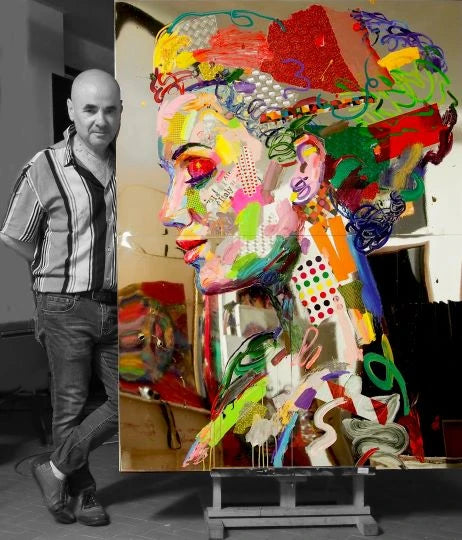 El arte de Murgia nació entonces en la frontera de un acto de descomposición y una auténtica apropiación de la realidad, reelaborada en la pintura como una compleja construcción de fragmentos y estructuras que la impregnan.
El color, el cromatismo, marca la transición del análisis a la síntesis de este proceso, sentando las bases para el momento final de la acción de deconstrucción: la ironía. La iluminación de los colores, intensa y contrastante, llena la vista, pero siempre con equilibrio, según un plan mayor de recomposición y no de rechazo del mundo que, regido por un ideal estético que refleja el ideal existencial de armonía, de orden frente al caos, da forma al mundo de Murgia.
La ironía como un verdadero acto de rebelión contra la realidad que trastoca las reglas del juego: aquí, los colores antinaturalistas significan precisamente esto, y resulta interesante leer el cromatismo mismo en la acción consciente y a veces inconsciente que crea el sujeto, el rostro, como un texto narrativo en el que se pueden significar elementos de sensaciones, de emociones experimentadas y traducidas al gesto pictórico, casi ocultos en el trabajo de recomposición semántica de la realidad.
Una fusión, por lo tanto, de rasgos de la cultura de masas que diseña el mundo de la superficie y la liquidez de significados recompuestos en un orden espacial y figurativo que posee los rasgos de los rostros humanos, la síntesis definitiva del caos en el orden, en el equilibrio y en la armonía del rostro, que se convierte en contenedor y fuente de ordenación del caótico mundo del lenguaje de la sociedad de consumo.
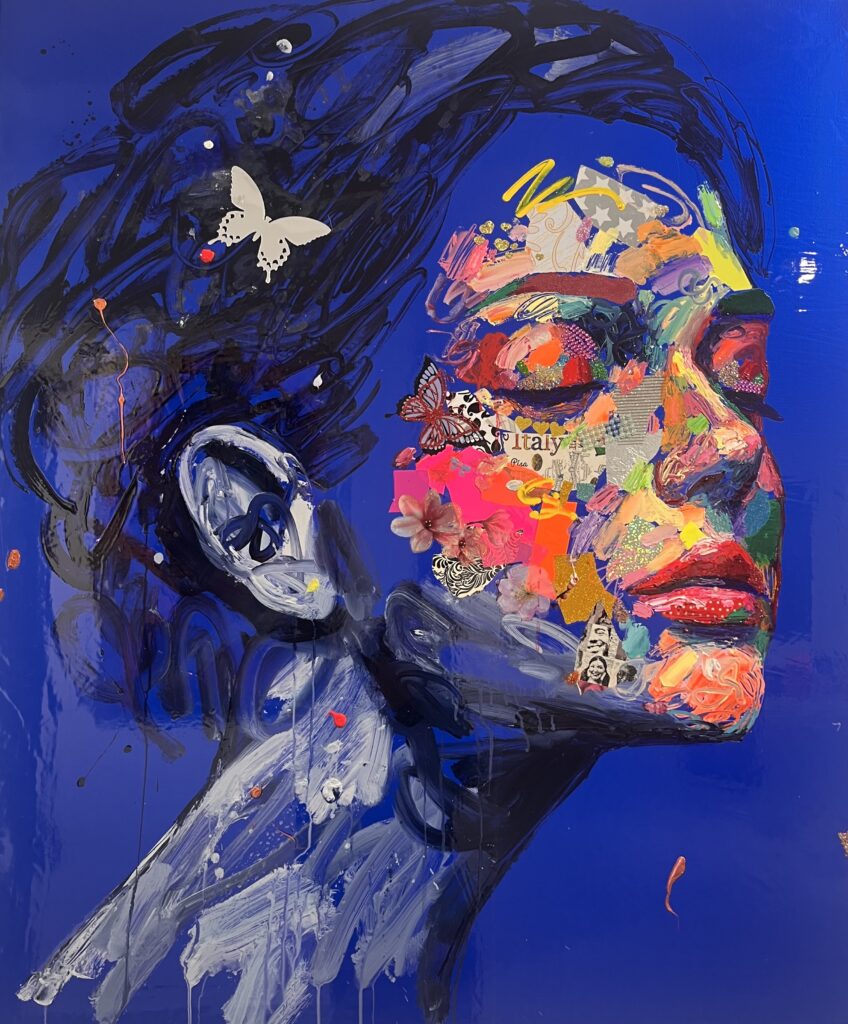
Note Stellata, 2024, 120 x 100cm, Mixed Media, 4 000€
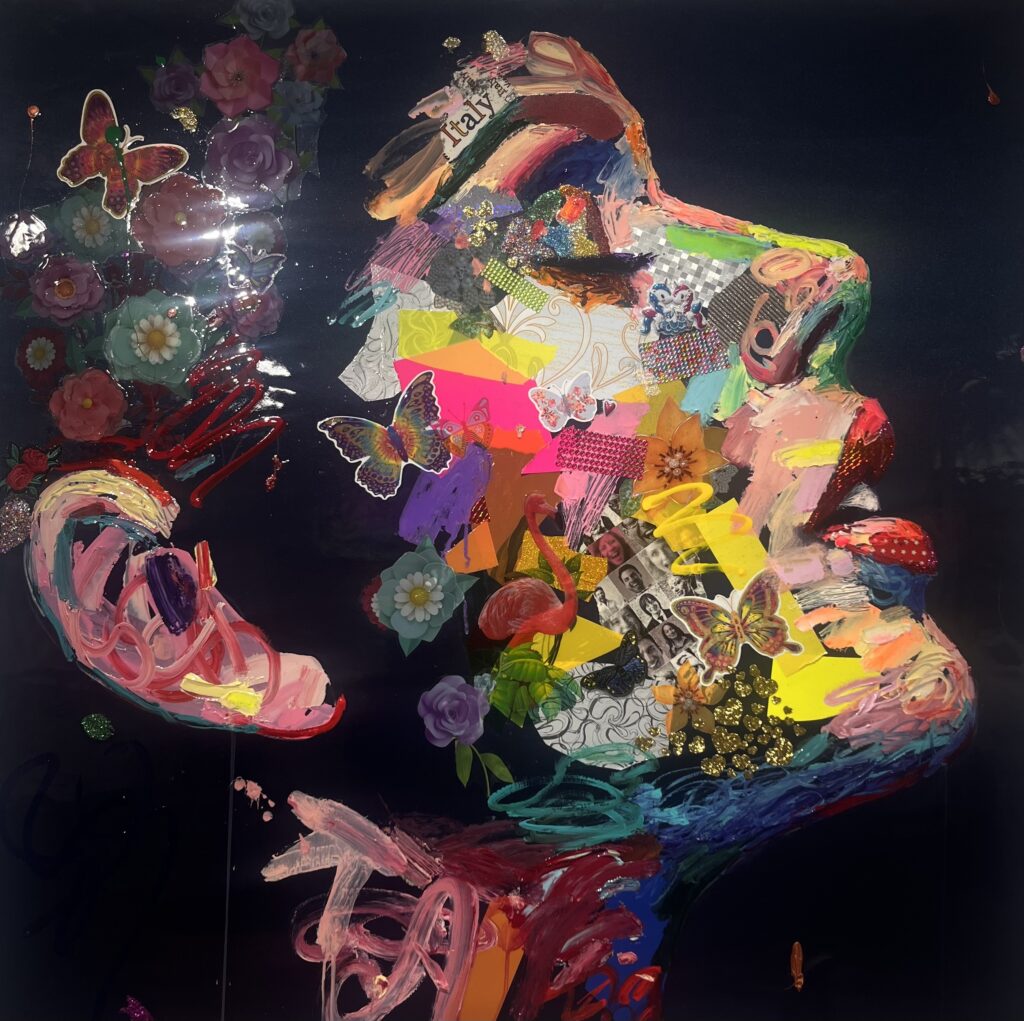
Ardore, 2024, 100 x 100cm, 4 000€